
 By Yuki
Red light therapy has gained massive popularity in the wellness, recovery, and biohacking space. You see it in gyms, skincare clinics, physical therapy centers, and increasingly in people’s homes. It is often presented as a powerful tool for skin health, recovery, energy, hormones, and longevity.
But what are the real benefits of red light therapy? And what are the most common fears people have before trying it?
This article explains how red light therapy works, its proven and potential benefits, and the concerns you should be aware of, in a clear and beginner-friendly way.
What is red light therapy?
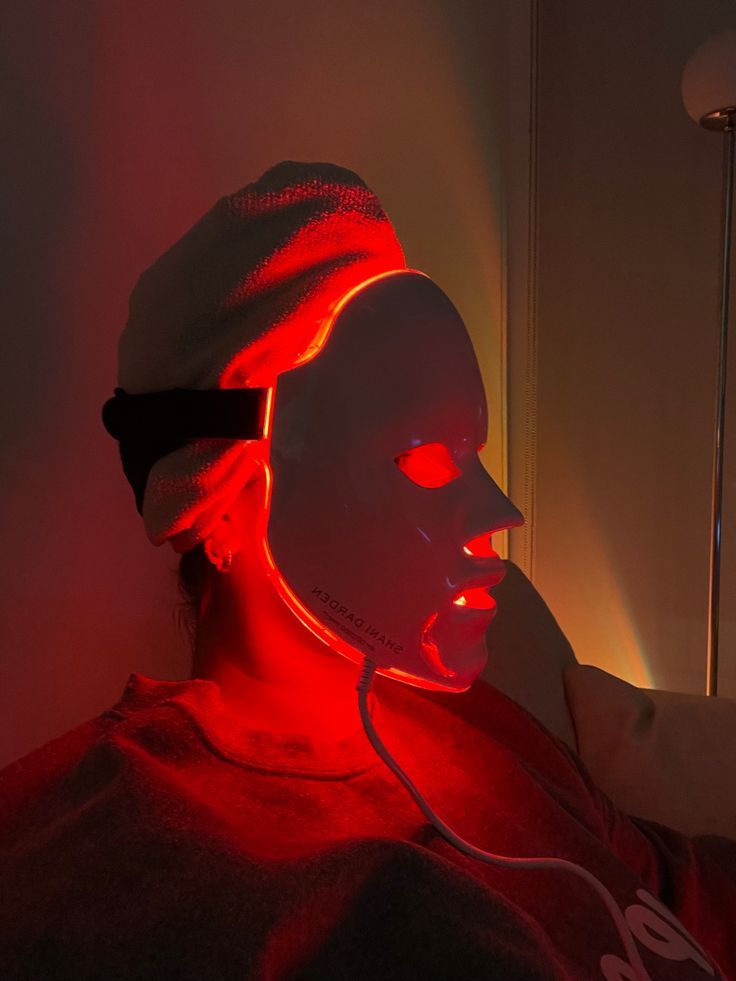
Red light therapy, also known as photobiomodulation, uses specific wavelengths of red and near-infrared light to stimulate biological processes in the body.
These wavelengths typically range between 630–660 nm for red light and 810–880 nm for near-infrared light.
Unlike UV light from the sun, red light does not damage the skin. It does not tan the skin, burn it, or increase the risk of skin cancer. Instead, it penetrates the skin and reaches deeper tissues such as muscles, joints, and even nerves, depending on the wavelength used.
The main target of red light therapy is the mitochondria, often described as the power plants of your cells.
How red light therapy works in the body
Mitochondria are responsible for producing ATP, which is the main source of energy your cells use to function. Stress, aging, inflammation, poor sleep, and environmental factors can reduce mitochondrial efficiency over time.
Red and near-infrared light help mitochondria work more efficiently by improving cellular respiration and reducing oxidative stress. In simple terms, cells are able to produce energy more easily and recover faster.
This cellular effect is why red light therapy is associated with such a wide range of benefits, from skin health to muscle recovery and nervous system support.
Main benefits of red light therapy
Improved skin health and appearance
One of the most well-known benefits of red light therapy is its effect on the skin. Red light can stimulate collagen and elastin production, which are essential for skin firmness and elasticity.
Regular use may help reduce the appearance of fine lines, wrinkles, and sagging skin. It is also commonly used to support wound healing, reduce redness, and improve overall skin tone and texture.
Unlike aggressive cosmetic treatments, red light therapy works gradually and supports the skin’s natural repair mechanisms.
Faster muscle recovery and reduced soreness
Athletes and active people often use red light therapy to support muscle recovery. Near-infrared light penetrates deeper into muscles and joints, helping reduce inflammation and muscle soreness after training.
Many users report faster recovery times, less stiffness, and improved performance when red light therapy is used consistently alongside proper rest and nutrition.
This benefit is especially interesting for people who train frequently or experience chronic muscle tension.
Reduced inflammation and joint support
Chronic inflammation is linked to pain, aging, and many long-term health issues. Red light therapy has anti-inflammatory effects at the cellular level, which may help reduce joint pain and stiffness.
It is often used by people dealing with back pain, knee pain, arthritis, or repetitive strain injuries. While it is not a medical treatment, it can be a useful complementary tool for managing inflammation and discomfort.
Better circulation and tissue repair
Red light therapy can improve blood flow by supporting nitric oxide release and vascular function. Better circulation means more oxygen and nutrients delivered to tissues, which supports healing and recovery.
This is one reason red light therapy is used in injury rehabilitation and post-surgery recovery in clinical settings.
Energy levels and mitochondrial health
Because red light therapy directly affects mitochondrial function, many people report improved energy levels and reduced fatigue over time.
This does not mean an immediate stimulant effect like caffeine. Instead, users often describe more stable energy throughout the day, better resilience to stress, and improved recovery from mental or physical fatigue.
Support for sleep and circadian rhythm
When used at the right time of day, red light therapy may support better sleep. Unlike blue light, red light does not suppress melatonin production.
Some people use red light in the evening as a softer alternative to bright artificial lighting. Others use near-infrared light during the day to support circadian rhythm alignment and nervous system regulation.
Common fears and concerns about red light therapy
Despite its benefits, many people hesitate to try red light therapy. Here are the most common concerns and what you should know.
Is red light therapy dangerous for the skin?
This is one of the biggest fears, often due to confusion with UV light or tanning beds. Red light therapy does not emit UV radiation and does not damage DNA.
When used correctly and according to guidelines, it is considered safe and non-invasive. The key is to avoid overexposure and to use certified devices with proper wavelengths and power output.
Can red light therapy cause cancer?
Current evidence does not suggest that red light therapy increases cancer risk. In fact, it is sometimes used in medical settings to support tissue healing in cancer patients.
That said, people with active cancer or specific medical conditions should always consult a healthcare professional before starting any new therapy.
Can you overdo red light therapy?
Yes, more is not always better. Excessive exposure may reduce benefits or cause temporary symptoms such as headaches, eye strain, or fatigue.
Most benefits come from short, consistent sessions rather than long or frequent exposure. Following manufacturer recommendations and starting slowly is important, especially for beginners.
Is it safe for the eyes?
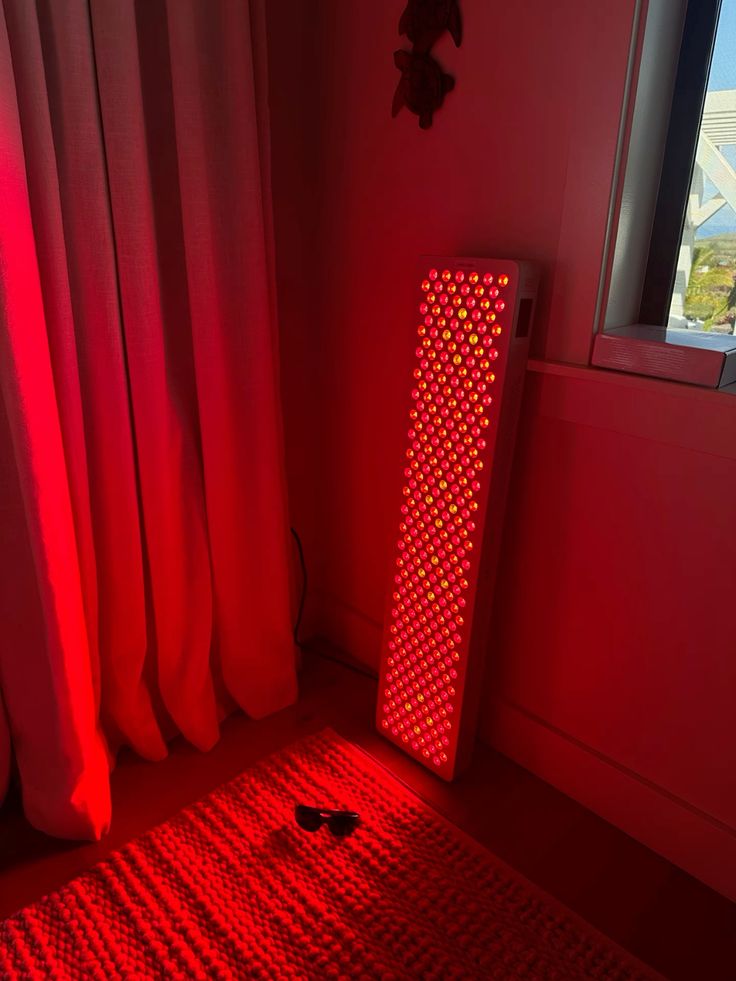
Direct exposure of high-intensity red or near-infrared light to the eyes is not recommended. Many devices include eye protection guidelines, and some require protective goggles.
Used properly, red light therapy is safe, but eye safety should always be respected.
Is red light therapy just hype?
Red light therapy is not magic, but it is also not pure marketing hype. Its mechanisms are well-studied, and it has been used in clinical and therapeutic settings for years.
However, it works best as part of a healthy lifestyle. Poor sleep, chronic stress, and bad nutrition cannot be “fixed” by red light alone.
Who should consider red light therapy?
Red light therapy may be especially useful for people who want to support recovery, skin health, energy levels, and inflammation management. It can be a valuable tool for athletes, people under chronic stress, those interested in longevity, or anyone looking to optimize their wellness routine.
It is not a replacement for medical treatment, but rather a complementary practice.
Red light therapy is one of the most accessible and gentle biohacking tools available today. Its benefits are rooted in cellular health, not extreme protocols or quick fixes.
When used correctly, it can support skin health, recovery, energy, and overall well-being, while remaining safe and non-invasive.