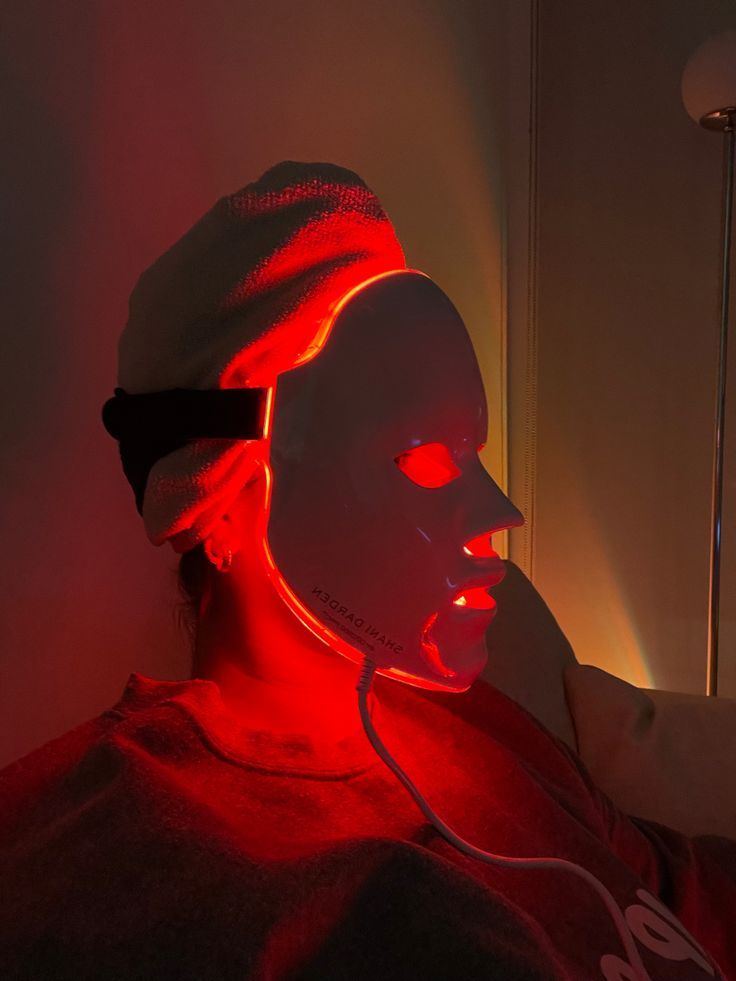
Red light mask before and after: what can you really expect?
You have probably seen the glowing red faces all over social media lately. It looks like something out of a science fiction movie. However, the red light mask before and after photos you see are often backed by real biological changes. This technology is no longer reserved for elite spas or NASA laboratories. Today, anyone can use photobiomodulation at home to improve their skin health. But how does it actually work for a normal person?
Understanding the magic behind the red glow
To understand the results, we must look at how our skin cells react to light. Think of your cells like tiny plants. Just as plants need sunlight to grow, our skin cells need specific light waves to function at their best. The red light acts like a battery charger for your face. It targets the mitochondria, which are the power stations inside your cells.
When these power stations get a boost, they produce more energy. This energy is called ATP. With more ATP, your skin can repair itself much faster than usual. This is why people notice a “glow” almost immediately. It is not magic; it is simply your cells working at their full potential.
Why everyone is talking about collagen
The most famous benefit of this therapy is collagen production. Collagen is the “glue” that holds your skin together and keeps it firm. As we get older, our body gets lazy and produces less of it. This leads to sagging and those annoying fine lines.
The red light sends a wake-up call to cells called fibroblasts. These are the workers responsible for building new collagen. By using a mask consistently, you are essentially hiring more workers for your skin’s construction site. Over time, this leads to a thicker, juicier, and more resilient skin layer.
1. The Biohacker’s Red Light Box This high-irradiance device is designed for those seeking systemic benefits. It delivers a powerful dose of 660nm and 850nm wavelengths. Use it for full-body recovery, hormonal balance, and deep skin repair.
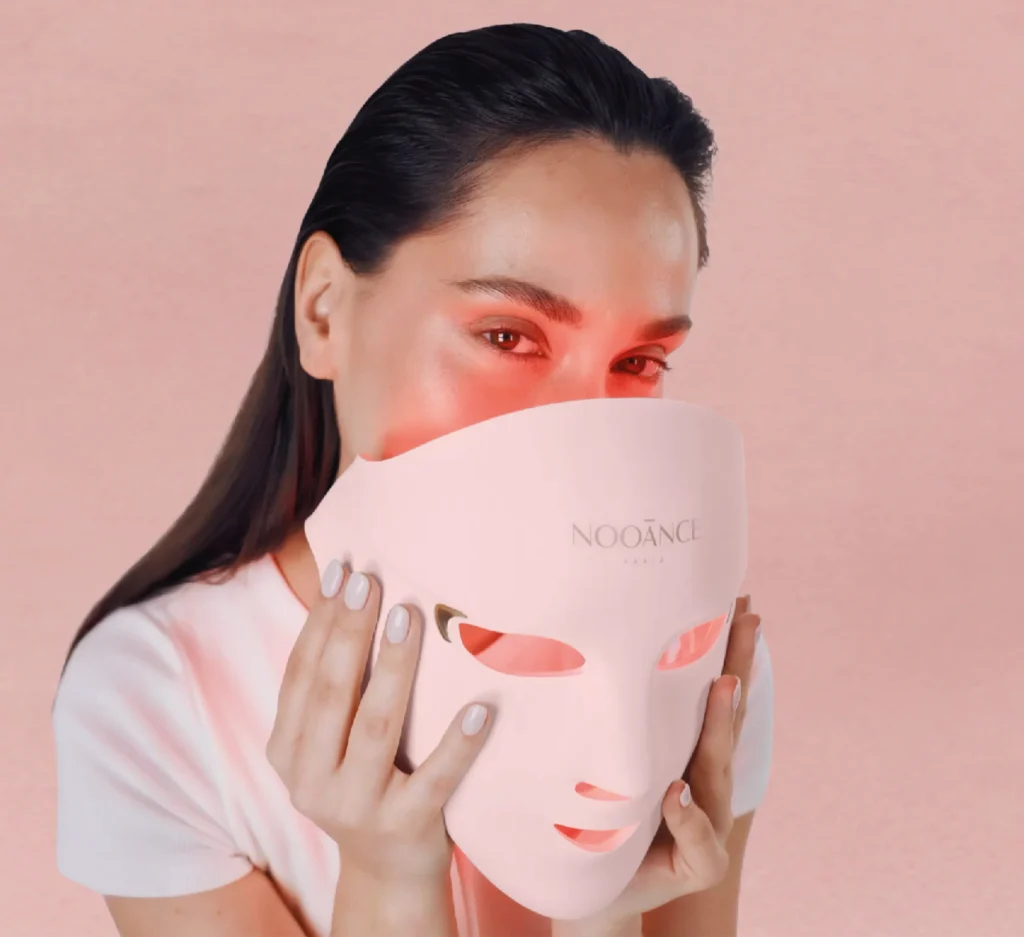
2. The Precision LED Facial Mask Engineered for targeted aesthetic results. This medical-grade silicone mask ensures uniform light distribution. It is the perfect tool for daily skin maintenance and reversing signs of photo-aging.
One of the biggest mistakes people make is giving up too soon. You will not wake up with a new face after one session. A true red light mask before and after transformation is a marathon, not a sprint.
In the first week, you might notice that your skin feels softer. Some users report that their makeup goes on smoother. This is due to a temporary increase in blood flow and reduced inflammation. By week four, the “glow” becomes more permanent. Your skin tone starts to look more even, and small red spots begin to fade.
The real magic happens between month two and month three. This is when the new collagen actually reaches the surface. You will notice that fine lines around the eyes look less deep. The skin around your jawline might feel slightly tighter. This is the point where friends start asking what new cream you are using.
How to optimize your sessions for maximum results
If you want to see the best results, you need a plan. First, always start with a clean face. Any dirt, oil, or sunscreen can block the light from reaching your cells. It is like trying to tan through a winter coat.
Second, timing matters. Many biohackers prefer using their devices in the morning. This helps set your circadian rhythm and can even improve your mood for the day. However, if you use it at night, it can be a great way to wind down and de-stress. The most important thing is that you actually do it.
Common mistakes that ruin your progress
The biggest enemy of success is inconsistency. Using your mask once a week is like going to the gym once a month. You might feel good, but you won’t see a change in the mirror. You should aim for at least three to five sessions per week.
Another mistake is buying a cheap, underpowered device. Not all red lights are the same. If the irradiance is too low, the light won’t penetrate deep enough to reach the fibroblasts. You want a device that has been tested for its power output. Don’t waste your time on “beauty toys” that just have red tinted plastic.
Safety first: is it bad for your eyes?
Safety is a common concern for new users. Red light is generally very safe because it does not contain harmful UV rays. It won’t burn your skin or cause DNA damage. However, the light can be very bright.
Most high-quality masks come with built-in eye protection. If you are using a red light box, you should wear the provided goggles. While the light isn’t “dangerous” like a laser, staring directly into bright LEDs for twenty minutes can cause eye strain. Always listen to your body and start with shorter sessions if you are sensitive.
The role of hydration and nutrition
Biohacking is a holistic game. You can’t expect light to fix a bad diet. To build collagen, your body needs raw materials. This means eating enough protein and getting plenty of Vitamin C.
Hydration is also key. Light travels better through hydrated tissue. Think of a dry sponge versus a wet one. If you are dehydrated, your cells won’t respond as efficiently to the therapy. Drink plenty of water before and after your sessions to help flush out toxins and support cellular repair.
Comparing the mask vs. the box
Which one should you choose? It depends on your goals. The red light mask is incredibly convenient for facial rejuvenation. It ensures the light is always at the perfect distance from your skin.
On the other hand, the red light box offers more versatility. You can use it on your back, your knees, or even your scalp to support hair growth. Many people eventually end up owning both. They use the mask for their daily beauty routine and the box for general health and recovery.
Final thoughts on your skin journey
The journey to better skin is personal. While red light mask before and after photos are inspiring, your results will be unique to you. Factors like age, genetics, and lifestyle all play a role.
Don’t get discouraged if you don’t see a massive change in the first month. Keep taking photos every two weeks to track your progress. Often, the changes are so gradual that we don’t notice them until we look back at where we started. Stick with it, stay consistent, and let the light do its work.

 By Yuki