 By Yuki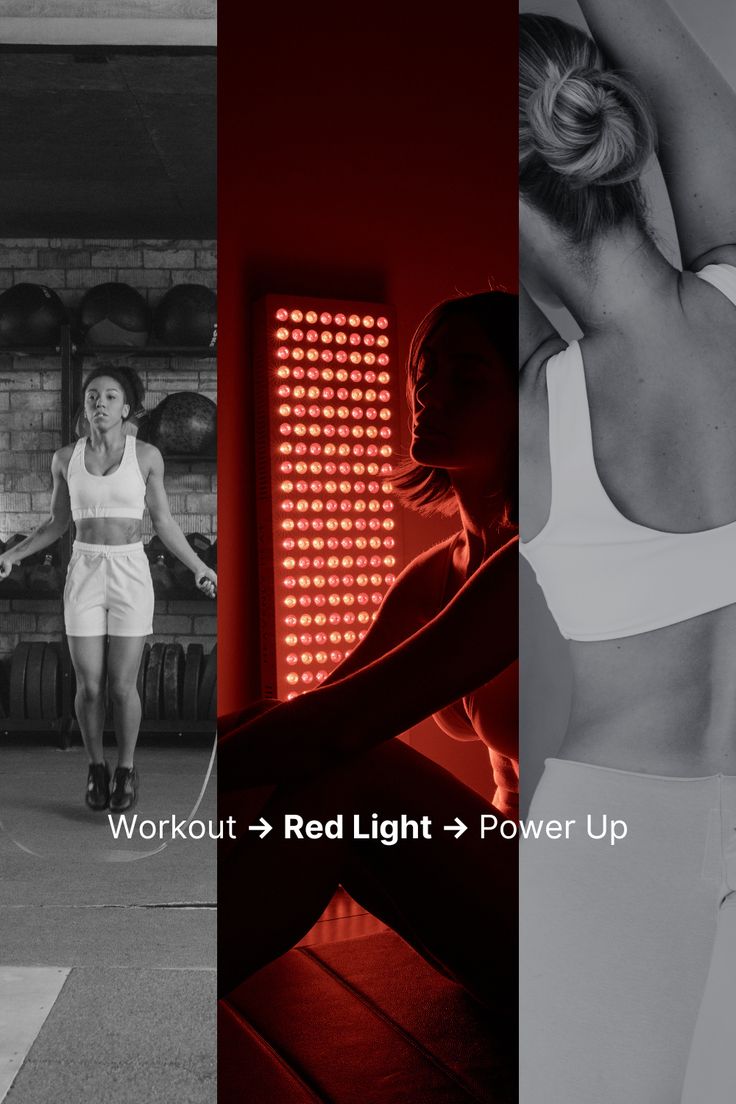
Biohacking is one of those words you’ve probably seen everywhere: on podcasts, YouTube, Pinterest, or Instagram. It often comes with images of red light panels, ice baths, supplements, or people claiming they’ve “hacked” their body to live forever.
But what is biohacking really?
And more importantly: is it something normal people can use in daily life?
This guide explains biohacking in a simple, beginner-friendly way, without jargon, extremes, or science overload.
What Is Biohacking?
Biohacking is the practice of making small, intentional changes to your lifestyle in order to improve how your body and brain function.
The goal is not to become superhuman.
The goal is to feel better, have more energy, think more clearly, and stay healthy longer.
At its core, biohacking is about:
- Understanding how your body works
- Listening to signals like fatigue, focus, sleep, digestion, stress
- Testing small habits to improve those signals
This is self-optimization based on biology

Biohacking is not only for the expert or athletes
Biohacking is often associated with Silicon Valley entrepreneurs, athletes, or extreme routines. That’s misleading.
In reality, most biohacking practices are simple, natural, and accessible:
- Improving sleep
- Getting morning light
- Managing stress
- Eating in a way that supports hormones and energy
- Using movement and breathing to regulate the nervous system
You don’t need expensive devices to start biohacking.
You need awareness, consistency, and curiosity.
How it is working
Even though biohacking looks different for everyone, it usually follows these principles:
1. You are your own experiment
Biohacking is not about blindly following trends.
It’s about observing what works for your body.
Two people can eat the same food or follow the same routine and feel completely different. Biohacking respects individuality.
2. Small changes matter
You don’t need to change everything at once.
Most benefits come from small, repeatable habits done consistently.
Examples:
- Going to bed 30 minutes earlier
- Walking outside every morning
- Reducing late-night screen exposure
3. Ask yourself: how do you feel?
Advanced biohackers use trackers and blood tests, but beginners can start with simple metrics:
- Energy levels
- Mood
- Focus
- Sleep quality
- Stress levels
Your body gives feedback every day. Biohacking teaches you to listen.
Category for biohacking
Biohacking usually focuses on a few key pillars.
1. Sleep optimization
Sleep is the foundation of everything. Poor sleep affects hormones, immunity, mood, focus, and metabolism.
Beginner biohacks for sleep:
- Going to bed at the same time every night
- Avoiding screens 1 hour before bed
- Keeping the room dark and cool
- Getting natural light in the morning
If sleep improves, everything else often improves automatically.
2. Nutrition
Biohacking nutrition is not about extreme diets. It’s about eating in a way that supports stable energy and low inflammation.
Beginner-friendly biohacks:
- Eating enough protein
- Reducing ultra-processed foods
- Stabilizing blood sugar (less snacking, balanced meals)
- Drinking enough water and electrolytes
Some biohackers also experiment with fasting or supplements, but those come later.
3. Nervous system regulation
One of the most underrated areas of biohacking is stress regulation.
Chronic stress keeps the body in “fight or flight” mode, which affects digestion, hormones, sleep, and mental clarity.
Simple biohacks:
- Breathwork
- Slow nasal breathing
- Walking without your phone
- Short moments of stillness during the day
When the nervous system is regulated, the body can heal and function better.
4. Movement & physical performance
Movement is one of the most powerful biohacks available.
You don’t need extreme workouts. The goal is consistency and nervous system balance.
Examples:
- Daily walking
- Strength training 2–4 times per week
- Mobility and stretching
- Low-intensity movement on recovery days
Movement improves insulin sensitivity, mood, brain function, and longevity.
5. Light & circadian Rhythm
Light tells your body when to be awake and when to sleep.
Beginner biohacks:
- Morning sunlight within 30 minutes of waking up
- Reducing bright light at night
- Avoiding screens late in the evening
- Using warm lighting after sunset
This alone can dramatically improve sleep and energy.
Advanced biohacking
As people go deeper, they may explore:
- Cold exposure (cold showers, ice baths)
- Red light therapy
- Wearable trackers
- Blood tests
- Supplements
- Nootropics
These tools can be useful, but they are not necessary for beginners.
The basics always come first.
Biohacking for Women
Women’s bodies are influenced by hormones, cycles, and stress differently than men’s. Biohacking can be especially powerful when adapted to female physiology.
Examples:
- Adjusting training intensity during the menstrual cycle
- Supporting hormonal balance with nutrition
- Prioritizing recovery over constant intensity
- Reducing cortisol instead of pushing harder
Good biohacking works with the body, not against it.

Is biohacking safe?
Yes, biohacking is safe if you learn how ti use it.
Red flags to avoid:
- Extreme protocols without understanding
- Copying routines without personalization
- Using supplements without basics in place
- Ignoring stress, sleep, or recovery
The safest biohacking approach is slow, informed, and grounded.
How to start Biohacking (beginner checklist)
If you’re new, start here:
- Fix your sleep schedule
- Get morning sunlight
- Eat balanced meals with enough protein
- Move your body daily
- Learn to slow down your nervous system
Do this for a few weeks before adding anything else.
Biohacking is not about perfection or control.
It’s about awareness, energy, and alignment with your biology.
When done correctly, biohacking helps you:
- Feel more energized
- Think more clearly
- Reduce stress
- Improve long-term health
- Feel more connected to your body
You don’t need to “hack” yourself aggressively.
You just need to start listening.